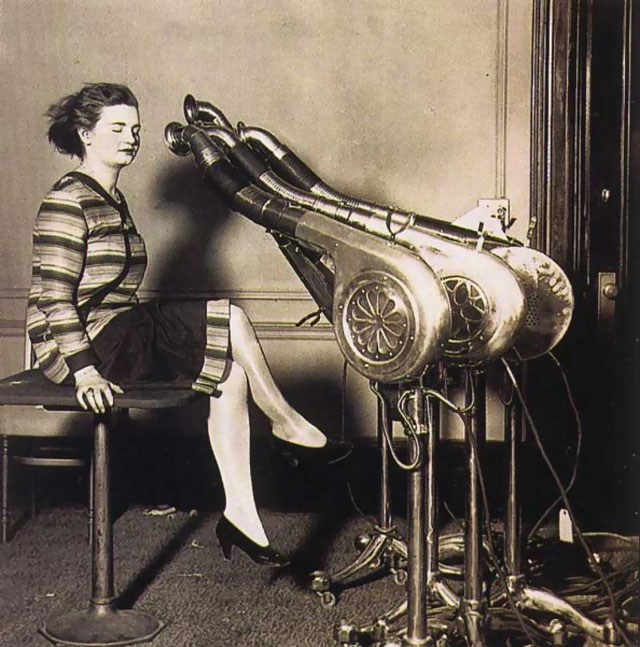
The beauty industry was soon firmly established. Its self- proclaimed mission was to sell products and services covering three main benefits: to change the condition of the skin, to slow down the ageing process, and to cover or enhance the skin itself.
Blog POST
Historians and anthropologists cannot agree on why this new industry sprang up with such vigour. But this new importance of beauty is thought to have been influenced by an increase in life expectancy and insecurities about ageing. Adverts for toiletries and cosmetics, certainly, heavily emphasised how those who failed to be youthful risked social stigma or – the worst-case scenario – remaining unmarried. This was a genuine possibility given the gender imbalance after so many men died during the First World War.
The first half of the 1920s had seen women’s magazines filling with advertisements for face creams and body treatments. These aimed to make the user younger, thinner (or for those who felt too thin, stouter– as they called it then), hair-free and more fragrant.
The Victorian idea of beauty based on moral temperament was out, and beauty based on the effort put in (even if someone else actually did the actual hard work) was, definitely, in.
Blog POST
Historians and anthropologists cannot agree on why this new industry sprang up with such vigour. But this new importance of beauty is thought to have been influenced by an increase in life expectancy and insecurities about ageing. Adverts for toiletries and cosmetics, certainly, heavily emphasised how those who failed to be youthful risked social stigma or – the worst-case scenario – remaining unmarried. This was a genuine possibility given the gender imbalance after so many men died during the First World War.
The first half of the 1920s had seen women’s magazines filling with advertisements for face creams and body treatments. These aimed to make the user younger, thinner (or for those who felt too thin, stouter– as they called it then), hair-free and more fragrant.
The Victorian idea of beauty based on moral temperament was out, and beauty based on the effort put in (even if someone else actually did the actual hard work) was, definitely, in.
Blog POST
Historians and anthropologists cannot agree on why this new industry sprang up with such vigour. But this new importance of beauty is thought to have been influenced by an increase in life expectancy and insecurities about ageing. Adverts for toiletries and cosmetics, certainly, heavily emphasised how those who failed to be youthful risked social stigma or – the worst-case scenario – remaining unmarried. This was a genuine possibility given the gender imbalance after so many men died during the First World War.
The first half of the 1920s had seen women’s magazines filling with advertisements for face creams and body treatments. These aimed to make the user younger, thinner (or for those who felt too thin, stouter– as they called it then), hair-free and more fragrant.
The Victorian idea of beauty based on moral temperament was out, and beauty based on the effort put in (even if someone else actually did the actual hard work) was, definitely, in.
Blog POST
Historians and anthropologists cannot agree on why this new industry sprang up with such vigour. But this new importance of beauty is thought to have been influenced by an increase in life expectancy and insecurities about ageing. Adverts for toiletries and cosmetics, certainly, heavily emphasised how those who failed to be youthful risked social stigma or – the worst-case scenario – remaining unmarried. This was a genuine possibility given the gender imbalance after so many men died during the First World War.
The first half of the 1920s had seen women’s magazines filling with advertisements for face creams and body treatments. These aimed to make the user younger, thinner (or for those who felt too thin, stouter– as they called it then), hair-free and more fragrant.
The Victorian idea of beauty based on moral temperament was out, and beauty based on the effort put in (even if someone else actually did the actual hard work) was, definitely, in.